Does Dental Scaling Hurt? What to Expect
Does dental scaling hurt? Learn what feels normal, why sensitivity varies, how dentists improve comfort and when post-scaling pain needs a review.
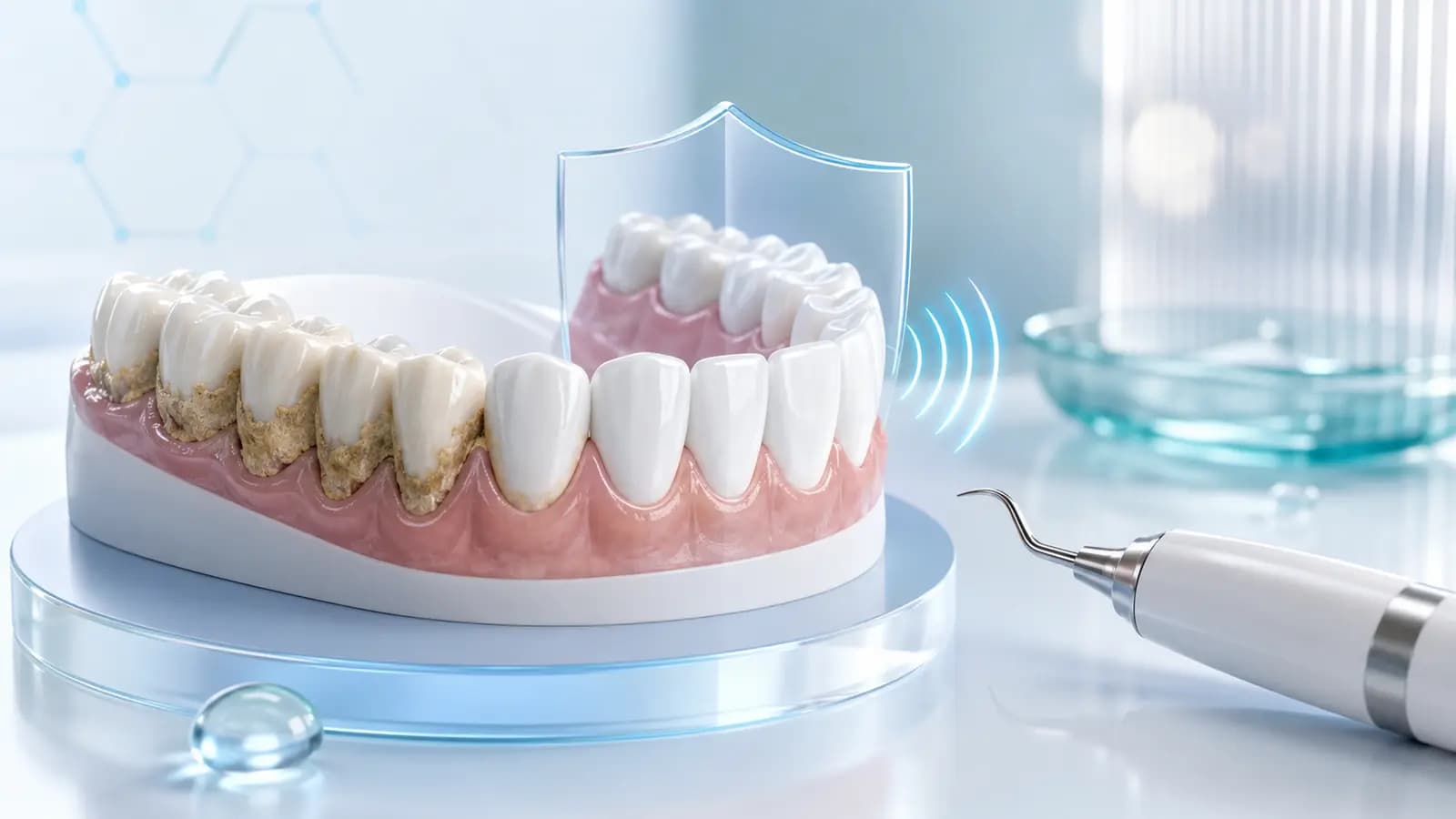
If you have never had dental scaling, the sound of the equipment can make the appointment seem more intimidating than it usually is. If you are wondering, “does teeth cleaning hurt?”, routine scaling should not cause severe pain. Most people notice vibration, water spray, light pressure and an occasional brief twinge around a sensitive tooth.
So, does dental scaling hurt? It depends on the condition of your mouth. Inflamed gums, heavy tartar, exposed root surfaces and existing sensitivity can make the experience less comfortable. The aim is not to push through pain, but to identify what is causing it and adjust the appointment accordingly.
What Does Dental Scaling Feel Like?
Scaling does not scrape away healthy enamel. A dentist uses an ultrasonic or hand scaler to loosen plaque and calculus that cannot be removed effectively with a toothbrush. For a broader explanation of preventive care, see why routine dental cleaning should not be delayed.
During the appointment, you may notice:
- a fine vibration against the tooth surface;
- cool water and suction;
- light pressure as deposits are removed;
- a quick sensitive “zing” in one area; or
- tenderness or slight bleeding where the gums are already inflamed.
A brief twinge is different from persistent sharp pain. If something feels difficult to tolerate, raise your hand and tell the dentist. Pausing gives them a chance to check the tooth, reduce the stimulus or discuss another comfort option.
Why Can Scaling Feel Uncomfortable?
1. The gums are inflamed
Plaque and tartar around the gumline can leave the tissue swollen, red and easy to bleed. Touching tissue that is already inflamed can feel sore even when the instrument is used gently. Persistent swelling may also need a separate assessment; this guide to the causes of swollen gums explains the common possibilities.
2. Tartar has built up above or below the gumline
Thicker calculus takes longer to remove and may extend into areas the toothbrush cannot reach. Delaying an appointment because the previous clean was uncomfortable can allow more deposits and inflammation to develop, making the next visit harder rather than easier.
3. Root surfaces are exposed
When gums recede, part of the root can become exposed. Roots do not have the same enamel covering as the tooth crown, so cold water, air and vibration may trigger a sharper response. Cavities, cracks and worn enamel can also make one tooth feel more sensitive than the others.
4. You need deep cleaning rather than routine scaling
A routine clean focuses on deposits on the teeth and around the gumline. Scaling and root planing reaches below the gumline to treat periodontal pockets and clean infected root surfaces. It is a more involved treatment and may be completed in sections. Local anaesthetic can be considered when clinically appropriate.
What Happens During the Appointment?
- Assessment. The dentist checks your teeth, gums, tartar, sensitive areas and signs of periodontal disease. This determines whether you need routine scaling or deeper treatment.
- Ultrasonic scaling. The vibrating tip breaks up deposits while water flushes debris away and controls the temperature.
- Detailed hand scaling. Hand instruments may be used between teeth, behind the lower front teeth or around areas that need closer attention.
- Finishing and advice. The dentist may polish the teeth, re-check the surfaces and show you how to clean the areas where plaque is collecting.
Appointment length varies with the amount of calculus, gum condition, tooth position, braces, restorations and sensitivity. At FLOSS, check-up, cleaning and preventive care begins with an assessment so the cleaning is matched to the mouth rather than treated as a rushed routine.
How Can the Dentist Make Scaling More Comfortable?
Tell the dentist before treatment if you have sensitive teeth, dental anxiety, a previous painful cleaning, exposed roots or a tooth that reacts strongly to cold. This information can change the order of treatment, the instrument used, the water temperature where possible, the pressure and the number of breaks.
Agree on a hand signal so you can pause at any time. Slow breathing and relaxing your jaw can also make the appointment easier. For deep periodontal cleaning or particularly sensitive areas, topical anaesthetic or local anaesthetic may be an option. Numbing is not automatically needed for every routine clean.
Do not take pain relief or antibiotics before the visit unless a dentist or doctor has advised it for you. Medication does not replace an examination, and the appropriate choice depends on your health history and other medicines.
What Is Normal After Dental Scaling?
Temporary tenderness and teeth sensitive after cleaning are more likely when the gums were inflamed, the roots are exposed or substantial tartar has been removed. Mild sensitivity to hot or cold, slight gum soreness and a small amount of bleeding can occur. The important pattern is gradual improvement.
For a short time, choose foods and drinks that are not extremely hot, cold, hard or spicy. Continue brushing twice daily with a soft-bristled toothbrush and gentle pressure. Clean between the teeth using the method recommended for your gums; stopping all cleaning can allow plaque to return to an already irritated area.
Contact the clinic if pain is getting worse, facial or gum swelling develops, bleeding does not settle, you have a fever, or severe sensitivity persists. Those symptoms deserve an assessment because another dental problem may be present.
If you are planning treatment during a trip, avoid placing the appointment immediately before your flight. The guide to how long to stay in Bali for dental treatment explains why even straightforward care benefits from a small review buffer.
A More Comfortable Clean Starts with the Right Assessment
Dental scaling should be tailored to your gum health, tartar level, sensitive areas and previous experience. If an earlier appointment felt painful, say so openly. Comfort is part of good clinical planning, not something you need to apologise for.
Start with Floss Dental to discuss the right dental care for your mouth and plan a calm appointment with a dentist Bali.
FAQ About Dental Scaling
How painful are teeth cleanings?
A routine cleaning usually feels like vibration, water and light pressure rather than pain. Inflamed gums, heavy tartar, exposed roots or decay can make some areas sharper. Tell the dentist if discomfort is more than a brief twinge so they can check the cause and adjust the approach.
Do they numb you for a teeth cleaning?
Most routine cleanings do not require numbing. Local anaesthetic may be considered for deep scaling and root planing, very sensitive root surfaces or a patient who cannot comfortably complete the necessary treatment without it. The decision follows an examination and discussion of your needs.