Veneers in Kuta: Composite vs Porcelain and Cost Factors
Veneers are thin layers placed over the front of teeth to improve selected concerns involving shape, colour, small chips, worn edges, or minor gaps. For people
Comparing veneers kuta, FLOSS Dental Studio lists direct composite veneers at IDR 1,150,000–IDR 1,450,000 per tooth and indirect ceramic veneers at IDR 4,500,000 per tooth.
The difference is not only the material. Tooth number, enamel condition, gum health, starting shade, bite forces, mock-ups, and laboratory work can all affect the plan. Veneers are also not an automatic answer to every cosmetic concern; decay, inflamed gums, grinding, or complex tooth positions must be assessed first.
Composite and Porcelain Serve Different Needs
A direct veneer is made from composite resin shaped on the tooth by the dentist. Treatment is usually faster, may preserve more tooth structure in suitable cases, and can often be repaired if a small area chips. Its limitations include a greater tendency to stain, lose surface gloss, or wear compared with ceramic.
An indirect veneer is produced by a dental laboratory from ceramic and then bonded to the tooth. Ceramic usually offers better stain resistance, strength, and light reflection similar to natural enamel. However, it costs more per tooth and requires multiple stages. The right option depends on the tooth, bite, desired appearance, maintenance expectations, and available treatment time.
Veneer Fees at FLOSS Dental Studio
The following guide helps compare the basic services before your clinical examination.
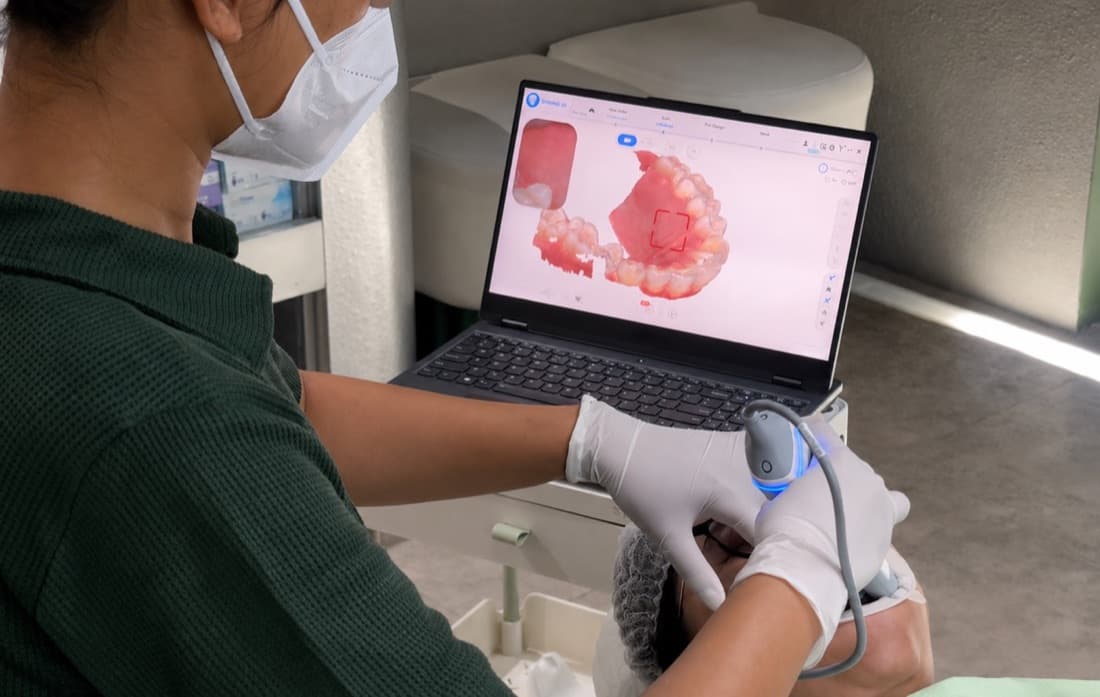
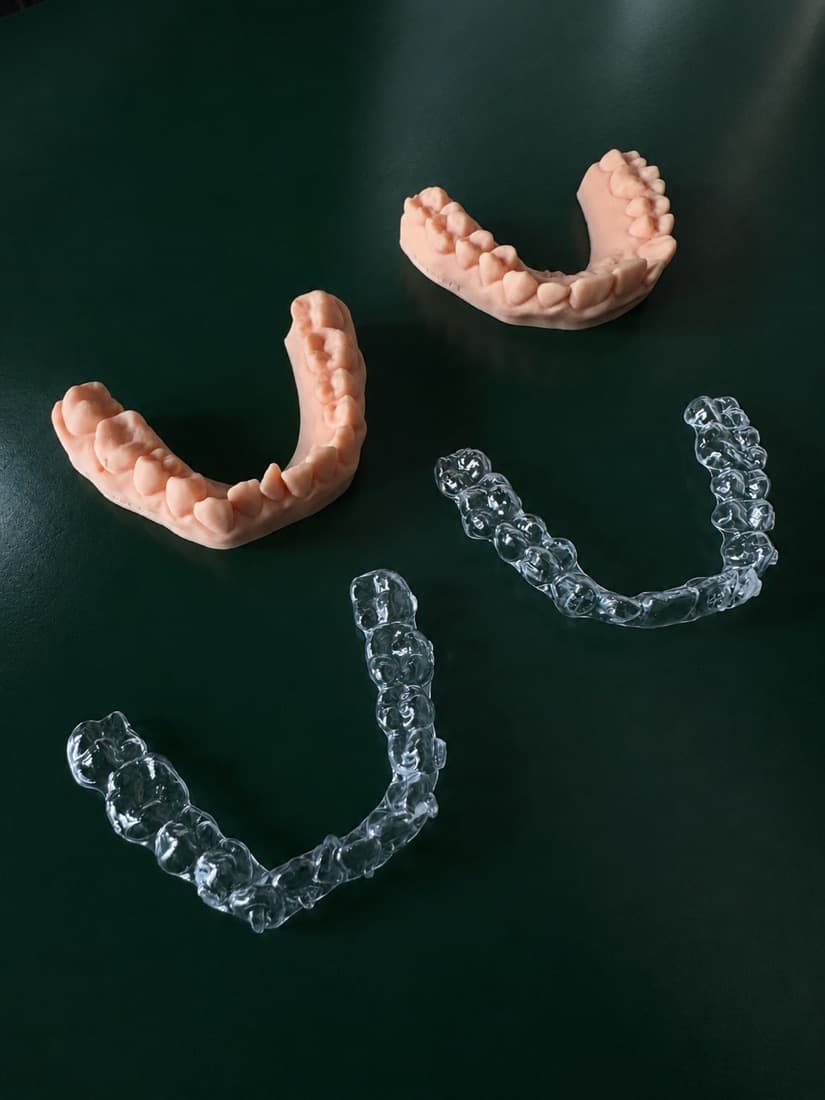
The final quotation is confirmed after assessment. Digital Smile Design, a mock-up, digital scanning, printed models, gum treatment, fillings, temporary veneers, or bite adjustment may be charged separately if required. Ask whether the fee is per tooth and request a written breakdown.
Who May Be Suitable for Veneers?
Veneers may be considered for stains that do not respond predictably to whitening, uneven tooth shapes, small spaces, worn edges, or minor fractures. The supporting tooth should be healthy enough to hold the restoration, and the gums should be stable. A natural-looking result should harmonise with the face, lips, and neighbouring teeth rather than aiming for an extreme shade.
They may not be the first choice when decay is extensive, too little enamel remains, gum disease is active, the bite creates excessive pressure, or tooth grinding is uncontrolled. Depending on the diagnosis, bonding, orthodontics, whitening, a filling, or a crown may conserve more tissue or provide better function.
How Direct Composite Veneers Are Made
- The dentist examines the teeth, gums, bite, shade, and your aesthetic goals.
- A composite shade is selected to blend with the surrounding teeth.
- The surface is prepared conservatively according to the case.
- Composite material is placed, sculpted, and hardened with a curing light.
- The dentist checks shape, contacts, and bite before polishing the veneer.
How Porcelain Veneers Are Made
- Planning begins with photographs, examination, colour selection, and a realistic outcome discussion.
- The tooth is prepared if necessary and scanned to create a digital model.
- A laboratory produces the ceramic veneer; some cases use a temporary veneer between visits.
- At the fitting visit, the dentist evaluates shape, shade, fit, and bite.
- The veneer is bonded only after the clinical checks and patient review are satisfactory.
Do Veneers Always Require Tooth Reduction?
No. The amount of preparation varies. Minimal-preparation or no-preparation veneers are suitable only when the tooth position and available space allow extra material without creating an overcontoured result. A promise of no drilling should not be accepted as universal before an in-person examination.
Traditional porcelain veneers often require some enamel reduction to create space and a reliable bond. Because this change is not fully reversible, patients should understand the alternatives, sensitivity risk, likely maintenance, and future replacement needs before consenting.
What Determines the Total Cost?
The number of treated teeth is a major factor, but smile symmetry does not always require veneers on every front tooth. Material, design complexity, bite condition, preliminary care, digital planning, temporary restorations, and laboratory fees also matter. A tooth-by-tooth plan makes comparisons clearer when reviewing veneer gigi kuta options.
How Long Can Veneers Last?
No veneer lasts forever. Ceramic generally resists staining and wear better, while composite is easier to polish or repair but may require maintenance sooner. Longevity depends on oral hygiene, biting hard objects, grinding, trauma, decay at the veneer margin, bite changes, and regular professional reviews.
- Brush twice daily with fluoride toothpaste and clean between teeth every day.
- Do not use veneered teeth to open packaging or bite very hard objects.
- Wear a night guard if the dentist recommends one for grinding.
- Arrange an examination if a veneer feels loose, sharp, cracked, or changes the bite.
Planning Veneers During a Kuta Visit
When comparing dental veneers kuta providers, ask how many appointments are needed, who makes the restoration, what the fee includes, and how reviews will work after you travel home. FLOSS is in Kerobokan, North Kuta, so allow travel time from central Kuta.
A simple direct veneer may be completed in one visit, but speed should not be the only criterion. Ceramic treatment includes laboratory stages and review. With a short holiday, the safer plan may be to complete assessment and design first, then schedule treatment when there is enough time for fitting and follow-up.
Choose a Smile That Still Feels Like You
A well-planned veneer respects healthy tooth structure, facial proportions, bite function, and future maintenance. For individual dental care, discuss materials and realistic outcomes with a dentist Bali visitors can consult at Floss Dental before choosing an irreversible cosmetic procedure.
FAQ About Dental Veneers in Kuta
How much is one veneer at FLOSS?
FLOSS lists direct composite veneers at IDR 1,150,000–IDR 1,450,000 per tooth and indirect ceramic veneers at IDR 4,500,000 per tooth. Any preparatory care, planning, temporary work, or other additions are confirmed after examination.
What is a dental veneer?
A veneer is a layer of composite or ceramic placed over the visible front surface of a tooth to change selected aspects of shape, colour, size, or spacing.
How long do veneers last?
Longevity varies with material, enamel support, bite, hygiene, habits, and maintenance. Ceramic generally resists stains and wear better than composite, but either material can chip, loosen, or eventually need replacement.
Do veneers damage natural teeth?
Careful treatment aims to preserve as much healthy tissue as possible. Some techniques still require permanent enamel reduction, so a dentist should confirm the indication and explain conservative alternatives before treatment.